Royal palaces, medieval streets, panoramic viewpoints and vibrant cultural life – Budapest's 1st District is Hungary's richest historical heritage. Budapest landmarks: iconic sites that can be discovered in a single walk.
If it's Budapest landmarks you're after, District I is waiting for you
40+ sights in the Castle District, Tabán, Krisztinaváros and around Gellért Hill – discover the historical landmarks of Budapest's 1st District, from the royal palace to hidden courtyards. Exploring Budapest's landmarks is a great starting point for a rich city tour.
Free
Fisherman’s Bastion (lower level)
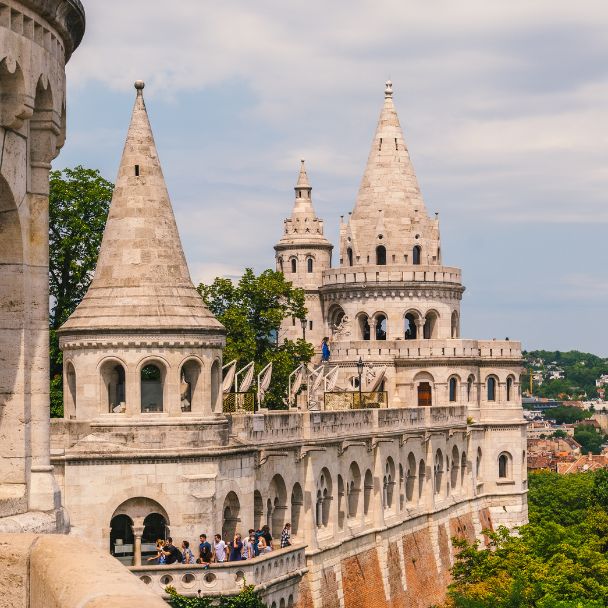
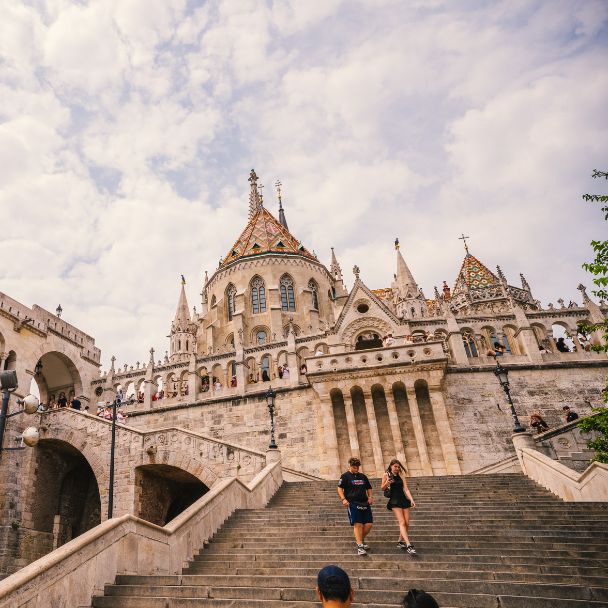
The Fisherman’s Bastion (lower level) is one of the most enchanting lookout points of Budapest, offering a fabulous panorama of the Danube, the Parliament and the iconic cityscape of Pest. Strolling among its neo-Romanesque arcades, stairs and towers, we may feel as if we were walking through the pages of a historical storybook.
Paid
Fisherman’s Bastion (upper lookout)
The Fisherman’s Bastion (upper lookout) is one of the most spectacular panorama points of Budapest, offering a breathtaking view of the Danube, the Parliament and the city centre of Pest. Strolling among the neo-Romanesque towers and terraces, visitors are enchanted at once by the historic atmosphere of Buda Castle and the modern skyline of the capital.
Paid
Mary Magdalene Tower
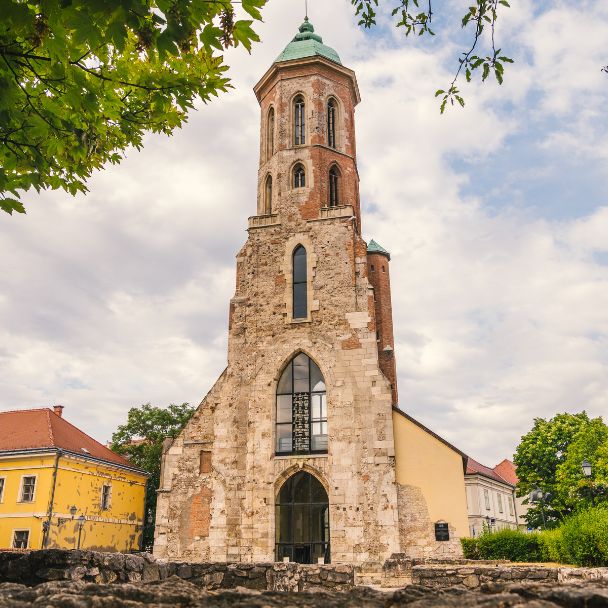
The Mary Magdalene Tower is one of the special historic monuments of Buda Castle. Built in 1244, it has survived the storms of the centuries and preserves the memory of the former church. Its Gothic form, exciting past and the atmospheric setting of the Castle District make it an unmissable sight for all those who wish to discover the historic face of Budapest.
Free
Gellért Hill and the Citadella
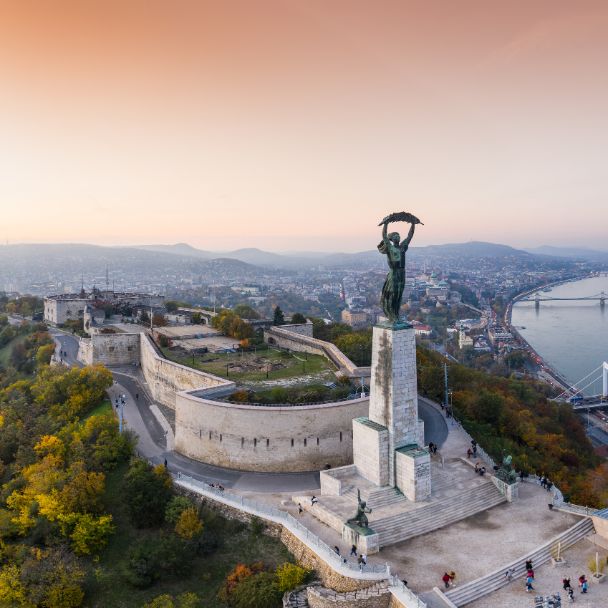
Gellért Hill and the Citadella form one of the most special panorama points of Budapest, offering a breathtaking view of the Danube, the bridges, Buda Castle and the city centre of Pest. The former fortress standing on the hilltop, with its historic atmosphere, the sight of the Liberty Statue and its renewed promenades, is an unmissable stop on every visit to Budapest.
Free
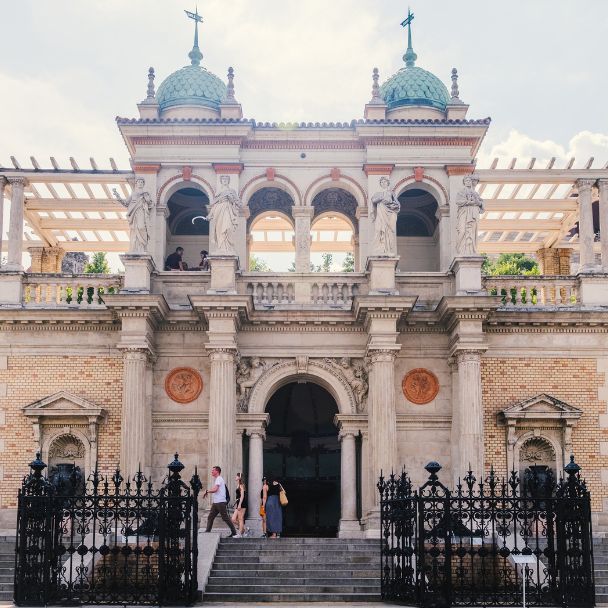
Castle Garden Bazaar (gardens)
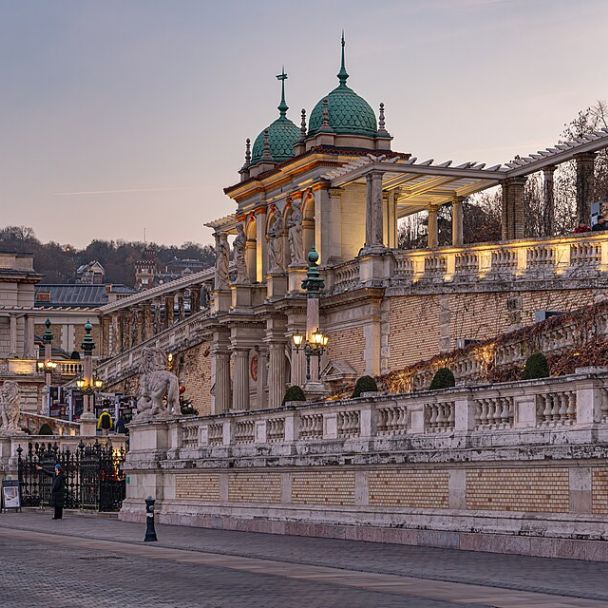
The gardens of the Castle Garden Bazaar (Várkert Bazár) are among the most special green spaces of historic atmosphere in Budapest, where neo-Renaissance elegance, the Danube panorama and the past of Buda Castle meet. Strolling among the Triton Fountain, the rose garden and the old castle walls, visitors can enjoy at once the tranquillity, the beauty and the rich history of Budapest.
Paid
Castle Garden Bazaar (exhibitions)
The exhibitions of the Castle Garden Bazaar offer one of the most special cultural experiences of Budapest, where the historic setting, art and modern programmes meet in harmony. The building complex lying close to the Danube bank is not only a spectacular walking destination but also the home of inspiring exhibitions and cultural events.
Free
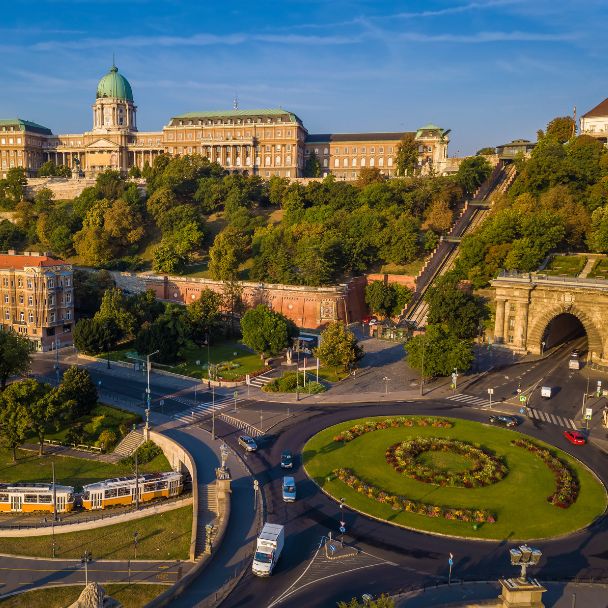
Clark Ádám Square and the 0 km Stone
Clark Ádám Square and the 0 km Stone form one of the symbolic starting points of Budapest, from which the kilometre numbering of several of Hungary’s main roads is counted. The special limestone sculpture, standing at the Buda bridgehead of the Chain Bridge, next to the lower station of the Buda Castle Funicular, is at once an urban curiosity and a popular photo spot.
Closed
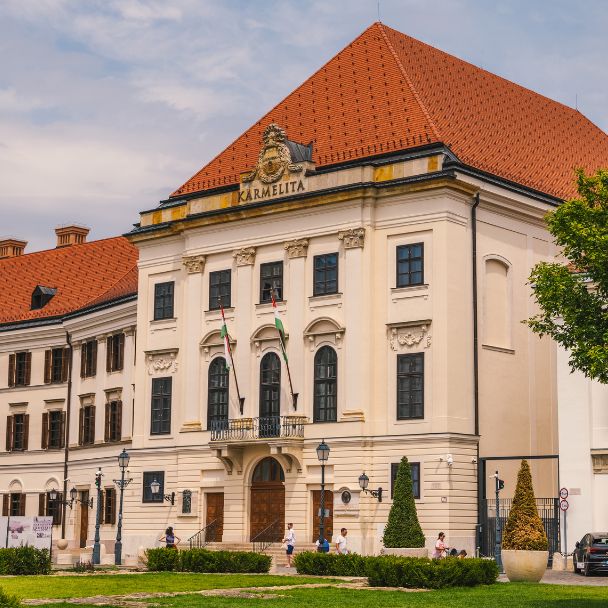
Carmelite Monastery
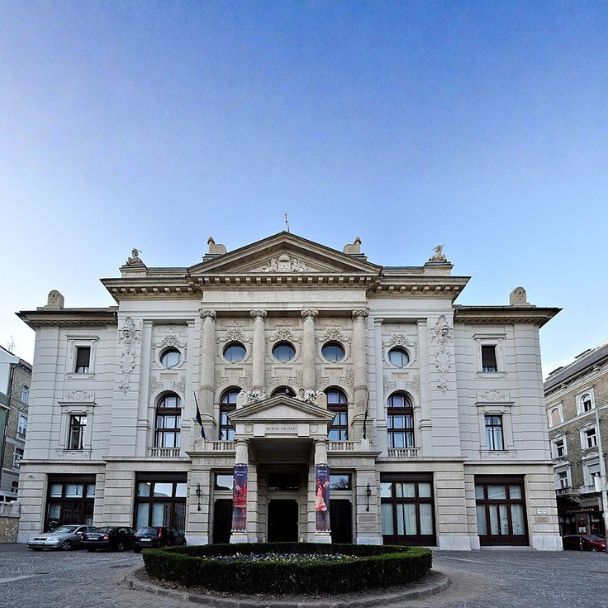
The Karmelita is one of the special historic building complexes of the Buda Castle District, which once played an important role as a monastery and later as a theatre. With its late Baroque atmosphere, the diversity of its past and its location in the Castle District, it can be an exciting stop on a walk in Budapest.
Paid
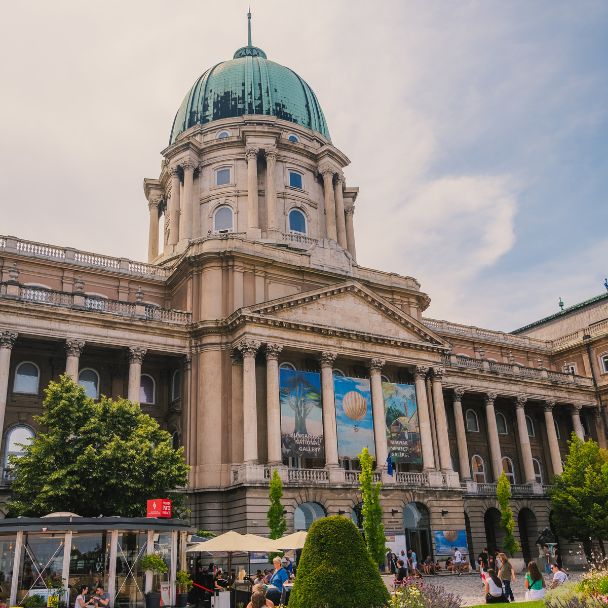
Hungarian National Gallery
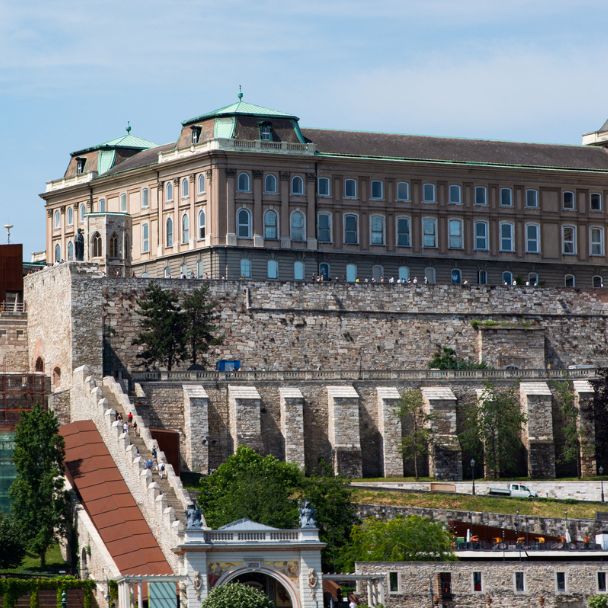
The Hungarian National Gallery awaits visitors in the imposing building of the Buda Castle Palace, where the most beautiful works of Hungarian fine art come to life, from the Middle Ages all the way to the 20th century. Beyond the exhibitions, the venue itself is a special experience: historic walls, stunning works of art and an unparalleled panorama of Budapest make a visit unforgettable.
Paid
Budapest History Museum
The Budapest History Museum is a perfect destination for all those who wish to get to know Budapest’s past, from the Roman era all the way to the present day. The Castle Museum, located in the Buda Castle Palace, offers an exciting insight into the rich heritage of the capital with its special exhibitions, medieval relics and historic atmosphere.
Paid
Matthias Church
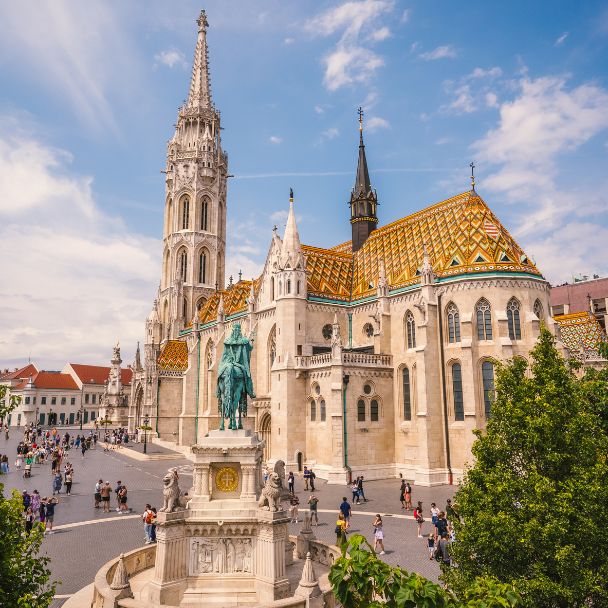
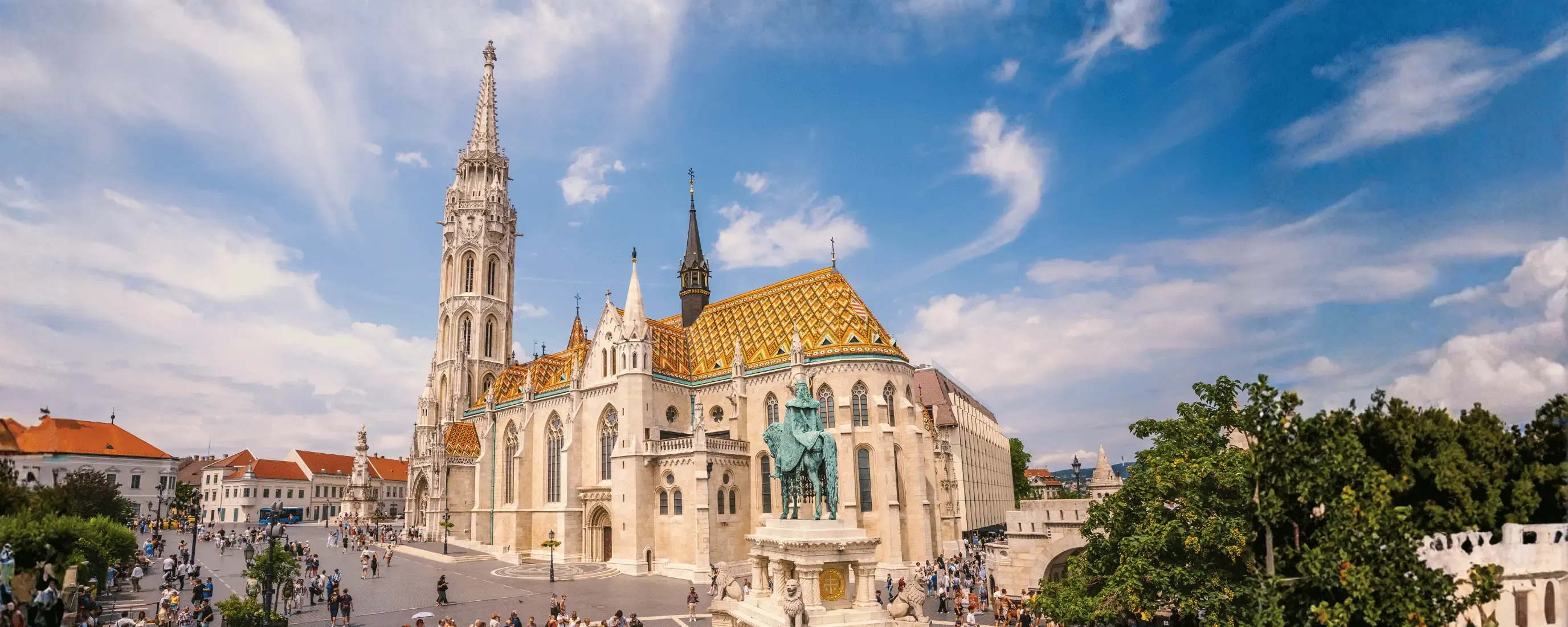
Matthias Church is one of the most iconic monuments of Budapest, rising in the heart of Buda Castle on Trinity Square (Szentháromság tér). Its ornate Gothic forms, colourful roof tiles and rich history lend a special atmosphere to the Castle District. Royal weddings and coronations took place within its walls, so visitors can discover not only a stunning church but also one of the important sites of Hungarian history.
Event
Hungarian Heritage House
The Hungarian Heritage House is one of the special cultural centres of Budapest, where Hungarian folk tradition appears in a living, present-day form. Dance performances, concerts, exhibitions, craft programmes and community events await those who wish to get to know more closely the rich cultural heritage of the Carpathian Basin.
Free
Vienna Gate
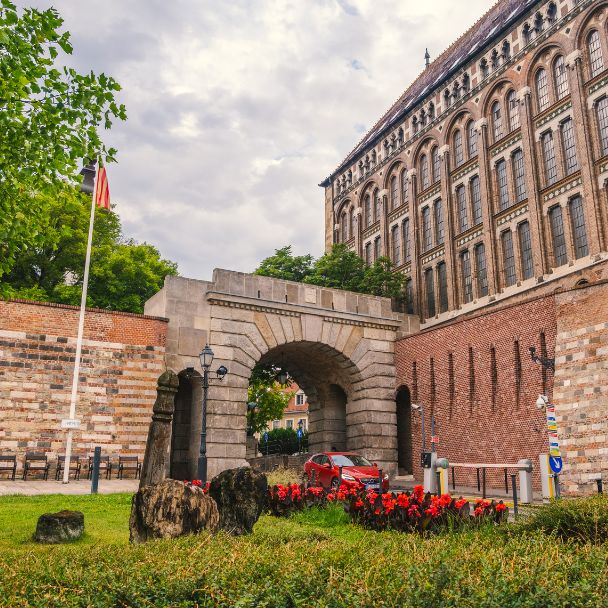
The Vienna Gate (Bécsi kapu) is one of the most atmospheric entrances to Buda Castle, worthily evoking the medieval atmosphere of the historic Castle District. Several iconic Castle District streets begin at Bécsi kapu Square, and nearby attractions await visitors, such as the Hungarian National Archives, the Lutheran church of Buda Castle and the remarkable grapevine of Bécsi kapu Square. If you are setting out to explore Buda Castle, the Vienna Gate is the perfect starting point.
Free
Fountain of the Fishing Children
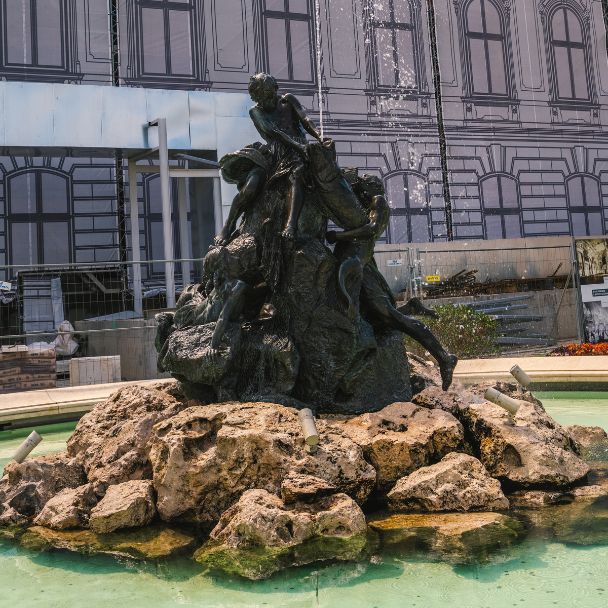
The Fountain of the Fishing Children is one of the charming, playfully atmospheric sights of Buda Castle, located at the northern end of the Royal Palace, below the Habsburg Gate. The bronze sculptural composition depicts two boys struggling with a huge catfish in a fishing net, while a pigtailed little girl watches them. The fountain, created by Károly Senyei, is a pleasant stop on a walk in the Castle thanks to its special details and charming story.
Free
Dísz Square
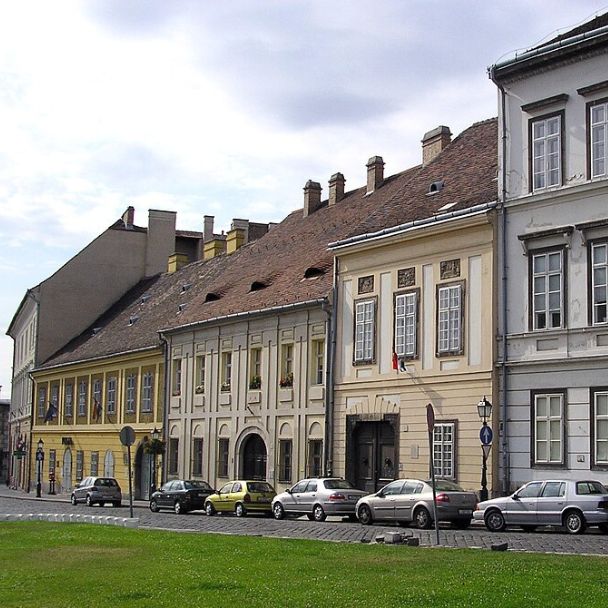
Dísz Square is one of the atmospheric and historically significant squares of the Buda Castle District, where the relics of the past and the special ambience of the Castle District are present at once. Thanks to its old residential houses, nearby palaces and the Honvéd statue, it is a perfect starting point for a walk in Buda Castle.
40 sights and practical information on one map. Toggle layers on and off to filter what you see.
What’s on the map
The exact positions of the points and routes are shown visually on the map above. Their categories and counts are listed here as a text alternative.
WC / Baby change: 11 locations
Parking zone I: 15 locations
Parking zone II: 8 locations
Protected zone: 2 locations
Designated parking spaces: 5 locations
Accessible parking spaces: 42 locations
Micromobility points: 12 locations
Bus stops: 25 locations
Events
Current Events (week 38)
The best venues, programmes and services in one place. Nine organisations help make every experience in the Castle District easily accessible.
Exhibition
The Bastion of Liberty – Exhibition – A Historical Experience Centre
History like you’ve never seen it before! Across more than 1,700 m², the Bastion of Liberty brings to life the centuries-long struggles for Hungarian freedom in the Citadella, with cinematic and interactive experiences.
800 years of history in a single walk! Stroll the historic streets of Buda Castle, admire the richly decorated Matthias Church and end the programme with the unforgettable Danube panorama of Fisherman’s Bastion.
What happened beneath Buda Castle in the winter of 1944–45? Following diaries and personal recollections, the walk recalls the horrors of the siege as we pass through underground passages, a historic cellar and an original bomb-proof shelter.
Penta Essentia – The Voice of the Hungarian Soul | Ars Sacra Festival
A musical journey from the southern lands to Transylvania, inspired by the thoughts of Béla Hamvas. In Zsolt Keresztury-Albert’s work, folk songs, classical music and the tárogató intertwine, evoking the world of the “five geniuses” and the rich diversity of Hungarian identity.
The Castle District’s iconic neo-Romanesque lookout. Enjoy a magical panorama of the Danube and Parliament, with arcades, towers and terraces beside Matthias Church.
Buda Castle and its surroundings offer a renewed visitor experience. Historic courtyards, exhibitions and events as part of the National Hauszmann Programme.
An outstanding collection of Hungarian fine art in Buda Castle. From medieval panel paintings to modern art, discover paintings, sculptures and rare works.
A Neo-Renaissance garden complex and cultural hub. Exhibitions, concerts, VárkertFeszt and the YBL6 Art Space welcome hundreds of thousands of visitors each year.
A visitor centre operated by Várkapitányság Nonprofit Zrt. Panoramic viewing terraces, renewed public parks and cultural experiences at the summit of Gellért Hill.
The historic funicular linking the Chain Bridge’s Buda side with Buda Castle since 1870. A steep ascent in vintage wooden cars with breathtaking views of the Danube and Pest.
How much time should I set aside to explore Budavár?
A short walk to the iconic sights of the Castle District can be completed in 2–3 hours, but together with the museums, churches, panoramic viewpoints and the Várkert Bazár it is worth planning at least half a day or a full day. For exploring the Castle District and the Citadella together, it is more comfortable to set aside a whole day.
Can Budavár be explored in just a few hours?
Yes. The website also offers shorter, time-efficient routes for visitors who only have 2–3 hours to spend in the district. These link the best-known sights and note the estimated time, distance and difficulty of each route.
Which route should I choose on my first visit?
For a first visit, we recommend the route built around the Castle District’s most iconic sights: Dísz Tér (Parade Square), Sándor Palace, Matthias Church, the Fisherman's Bastion, the Mary Magdalene Tower and the Bécsi Kapu (Vienna Gate). You’ll find the detailed route on the interactive map.
Where can I find a short, family-friendly or easier walking route?
Our themed walking routes let you choose by duration, difficulty and visitor needs with dedicated options for families, older visitors, panorama seekers, quick sightseeing and calmer, greener strolls.
When is the best time to arrive in Budavár?
For a more relaxed visit, mornings or late afternoons are usually best. The most popular viewpoints and historic squares tend to get busier during the day, so we recommend planning your route ahead of time.
What clothing and footwear are recommended?
Comfortable, sturdy footwear is recommended, as the Castle District has cobblestone streets, stairs and slopes. In summer, bring sun protection and water; in cooler or rainy weather, dress in layers with something waterproof.
Is it worth planning my visit in advance?
Yes, especially if you want to visit a museum, a church interior, a guided program, or several parts of the city. The interactive map and the themed routes help you plan your day with fewer detours and less waiting.
How can I reach the Buda Castle District?
The Castle District can be reached by public transport, on foot, or by the Buda Castle Funicular (Budavári Sikló). Before setting off, be sure to check current services and any traffic changes on the official Budapest transport platforms.
Can I walk up to the Castle?
Yes, several pedestrian routes, stairways and ramps lead up to the Castle District. Because of the elevation difference, it is a good idea to match the route to your fitness level and the weather, or to take public transport or the Funicular if needed.
How can I get up with less walking?
For an easier way up, take public transport or the Buda Castle Funicular.
Is it worth coming by car?
Parking is limited in the historic quarter, and temporary traffic restrictions may apply. Public transport is the more sustainable and predictable option.
Where can I find up-to-date parking information?
You’ll find designated car parks, access rules and any temporary changes on the website's practical information page and interactive map. Always check the current local rules before setting off.
Can the Castle District and the Citadella be combined into one itinerary?
Yes, but the two areas are some distance apart, with a significant elevation difference between them. At a comfortable pace, plan on a full day, or choose a route that includes a transport connection.
Can the area be visited with an organized group or by tourist coach?
Yes, but given the historic setting and out of consideration for residents, groups are asked to use the designated arrival, drop-off and pick-up points. Larger groups should plan their arrival, meeting point and walking route in advance.
Do all the sights in Budavár require an entrance ticket?
No. Many squares, streets, parks, lower panoramic levels and outdoor sites can be visited free of charge, while museums, exhibitions, certain lookout points and interiors require a ticket.
Where can I buy tickets?
From the Visit Budavár platform, you’ll be directed to the official ticketing page of the venue in question, or to a central ticketing platform where available. For popular time slots and guided programs, booking in advance is recommended.
Do I need to book tickets in advance?
Not for the freely accessible outdoor sites, but for museums, guided tours, special interiors and time-slot programs, we recommend booking ahead. This reduces waiting and helps you avoid missing out on your preferred time slot.
Where can I find the current opening hours?
Always check current opening hours on the given sight's information page or official website. Different hours or temporary restrictions may apply on public holidays and during events, renovations or protocol occasions.
Where can I find what's on in Budavár right now?
In the “Events” menu, you can browse by date, venue and type of program. This can include cultural events, exhibitions, family programs, guided walks and seasonal events.
Can the churches and religious sites be visited?
Yes, but visiting arrangements depend on services, ceremonies and the rules of the given institution. When entering, please be mindful of the need for quiet, as well as the site’s dress code and photography rules.
Is Budavár accessible for visitors with reduced mobility?
Several parts of the district are accessible, or can be comfortably reached with a companion, but the historic setting also includes cobblestones, steeper stretches, stairs and elevation changes. Special markings on the routes indicate which sections are easier, partly accessible, or more physically demanding.
Which route is recommended for visitors with limited mobility?
We recommend a shorter route that links wider squares, minimal stairs and easily reachable panoramic viewpoints. Dísz Tér (Parade Square), the area around Sándor Palace, the courtyards of Buda Castle (Royal Palace) and the Savoyai Terrace can be a good starting point but always check current accessibility beforehand.
Is the Castle District also recommended for older visitors?
Yes. With shorter sections, rest stops and the use of public transport or the Funicular, you can put together a comfortably paced visit. More demanding tower climbs, longer staircases and steeper routes are best planned separately.
Can the area be explored with a stroller?
The main squares and several panoramic routes are stroller-friendly, but cobblestone paving, stairs and some narrower historic sections may slow you down.
What program is recommended with children?
Shorter panoramic walks, the castle walls, courtyards, wells, statues and the family-friendly museum programs are all good choices. The Tabán, the gardens of the Várkert Bazár (Castle Garden Bazaar) and the calmer green routes also allow for a gentler pace, with plenty of room for rest stops.
Can a visit be planned with a school group?
Yes. The historic and cultural sites work well as part of educational programs, but for larger groups, we recommend advance registration, group ticket booking and setting a precise meeting point.
Where can I find toilets and other practical services?
Public toilets, information points, car parks, transport stops and other visitor services are shown in a dedicated practical information layer on the interactive map. Opening hours and availability may vary from site to site.
Are there places to rest during the walk?
Yes, Budavár offers plenty of squares, promenades, gardens and panoramic viewpoints where you can take a break. The Tóth Árpád Promenade, the gardens of the Várkert Bazár and the quieter parts of the Tabán are particularly well suited to a slower pace, with plenty of rest stops along the way.
What should I do in bad weather?
Choose a flexible route that includes both outdoor and indoor sites. In the rain, museums, exhibition spaces and historic interiors can become the center of your visit - just check opening hours and ticket requirements in advance.
Can I take photos and videos?
In public spaces, you can generally take photos and videos for personal use, but different rules may apply in museums, churches and exhibition spaces. A separate permit may be required for flash photography, tripods, drones or commercial filming.
Can drones be used in the Budavár area?
Drone use is subject to strict aviation, security and data protection rules, so spontaneous flying is not recommended. Before filming, always check current legislation, airspace rules and the required permits.
In which languages is the Visit Budavár website available?
The website is available in Hungarian, English, German, Spanish and Italian. Sights, routes and practical information are presented in a consistent structure to help international visitors as well.
How do I use the interactive map?
On the map, you can switch on separate layers for sights, themed routes, transport points and practical information. Using the filters, you can quickly find places that match your interests, available time and physical capacity.
How can I visit Budavár while respecting the peace of the locals?
Stay on the designated routes, avoid entering the doorways and courtyards of residential buildings without permission, keep the noise to a minimum, and always put your litter in the designated bins. Mindful, considerate visiting helps preserve the livability and character of the historic quarter.
Who can I call in an urgent emergency?
For urgent medical, police or fire assistance, call the single European emergency number 112. For non-urgent tourist inquiries, use the information contact details listed on the website.


 Free
Free